

Your shopping cart is empty!
Application Steps:
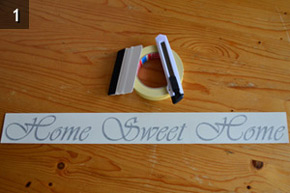
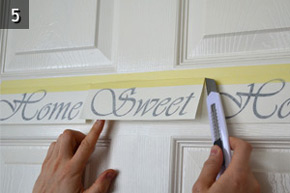
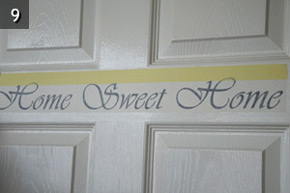
Your lettering consists of three layers: transfer tape (top), vinyl lettering (middle), and backing paper (bottom). The vinyl should remain attached to the transfer tape when the backing paper is removed.
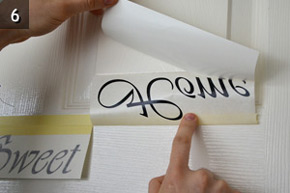
Slowly peel the backing paper away from the transfer tape at a sharp 180° angle. Do not peel the transfer tape away from the backing paper, as this may stretch or damage the lettering. If any letters remain on the backing paper, press them back onto the transfer tape using your fingers or the supplied squeegee and continue slowly. Take care during this step, especially with small or detailed lettering.
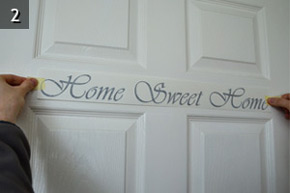
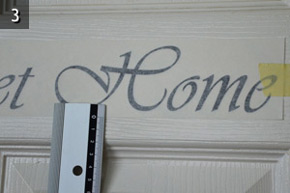
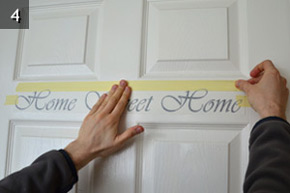
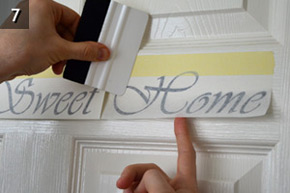
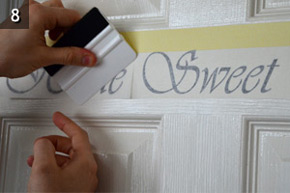
Position the lettering carefully before applying pressure. Once in place, use the squeegee to firmly apply the vinyl, working from the centre outward with overlapping strokes to remove air and ensure full contact with the surface.
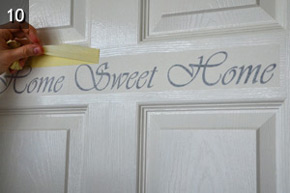
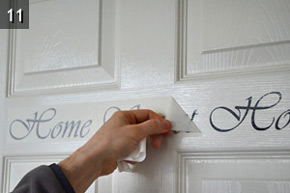
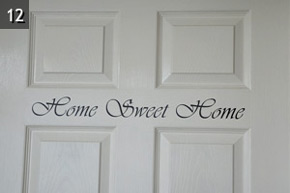
Once applied, slowly peel the transfer tape back at a sharp 180° angle. If any lettering lifts with the tape, stop immediately, press it firmly back down with the squeegee, and ensure full contact before continuing.
Surface Preparation:
Proper surface preparation is essential for achieving a strong, long-lasting bond. Most installation issues are caused by inadequate cleaning or applying vinyl to unsuitable surfaces. Taking a few extra minutes to prepare the surface correctly will significantly improve adhesion and long-term performance.
For best results, follow this cleaning process:
Wash the surface using warm water and a mild detergent (dishwashing liquid is suitable) to remove dust, dirt, and general contamination. Rinse thoroughly and allow the surface to dry completely. Immediately before installation, wipe the application area using Isopropyl Alcohol (IPA) and a clean, lint-free cloth to remove any remaining grease or residues.
Always use a clean cloth. Dirty or previously used cloths can transfer oils or contaminants back onto the surface.
Do not use ammonia-based glass cleaners, as they may leave behind residues that can reduce adhesion.
Suitable Surfaces:
Our vinyl lettering is designed for smooth, clean, non-porous surfaces such as glass, acrylic, aluminium composite panels, painted metal and smooth, fully cured painted walls and doors. Gloss finishes typically provide the most reliable adhesion.
Surface Considerations:
While vinyl will adhere well to most properly prepared smooth surfaces, performance can vary depending on the type of paint or coating used. Certain modern paints and finishes - including matte paints, low-VOC coatings, wash & wear paints, and surfaces containing silicone or specialty additives - may reduce adhesion even when correctly cleaned and installed.
If you are applying to a painted surface that you are unsure about, we recommend testing a small section first before full installation.
Surface Limitations:
Vinyl may not adhere reliably to certain surface types or finishes, even when correctly cleaend and installed. In these cases, additional preparation, testing, or surface modification may be required. These include:
Matte or low-sheen painted surfaces (common adhesion issue)
Textured, rough, or porous surfaces
Powdery or chalking paint finishes
Surfaces containing silicone, wax, or Teflon additives
Low surface energy plastics (e.g. polyethylene or polypropylene)
Dirty, greasy, or contaminated surfaces
Freshly painted surfaces that have not fully cured - fresh paint must be fully cured before application. As a general guide, allow at least 2-4 weeks, or follow the paint manufacturer’s recommendations.
Installation Conditions:
Avoid installation in wet or humid environments, on surfaces with condensation or moisture present or on surfaces that have become excessively hot due to direct sunlight. For best results, install between 10°C and 30°C.
After Installation:
The adhesive continues to strengthen over the first 24–48 hours after application. During this time, do not wash or pressure clean the surface. Do not rub or disturb the lettering and avoid attempting to reposition once applied.
Important Note:
Correct installation does not guarantee adhesion on all surfaces. Performance depends on surface type, coating, and preparation. If unsure about compatibility with a specific surface or paint type, testing a small sample before full installation is strongly recommended.
©2025 Vinyl Lettering Direct. All rights reserved.


